| Making This Moment Count |
|
Day two of the JFN International Conference built on the urgency and shared purpose of the opening, bringing together voices that grounded the moment in both personal experience and collective responsibility. The day centered on how this community can respond to a rapidly changing reality. At the top of the day, hosted breakfasts brought attendees into focused conversations on some of the field’s most pressing challenges. Funders and foundation professionals explored how philanthropy can strengthen the social safety net through advocacy-adjacent strategies, examined the growing internal divides within Israeli society, and introduced new research shaping the future of Jewish education and engagement. Participants engaged with emerging data and considered how philanthropic leadership can respond to shifting realities with greater coordination and intention.
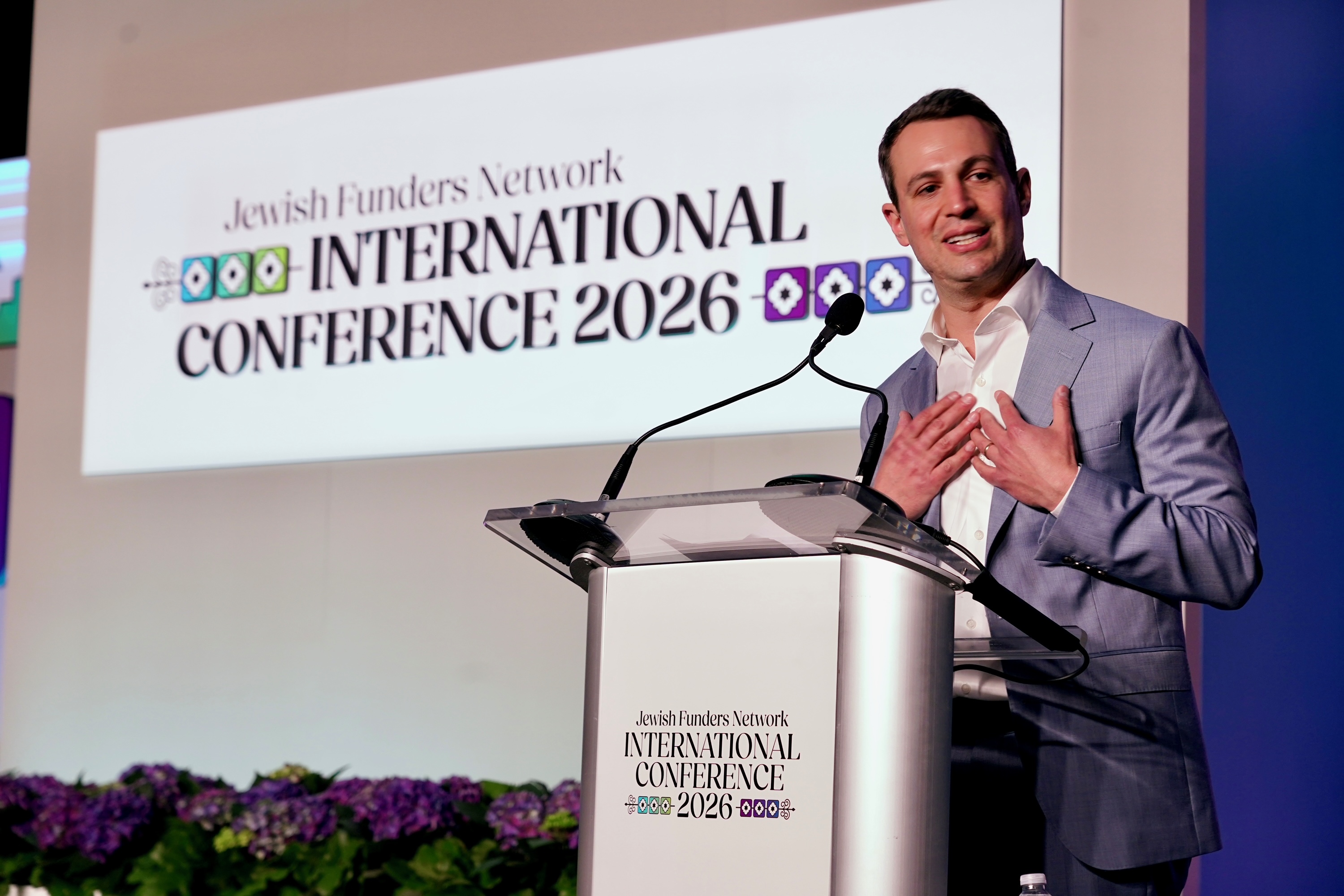
In accepting the J.J. Greenberg Memorial Award, Jon Hornstein, Managing Director, National Grantmaking at The Harry and Jeanette Weinberg Foundation, reflected on the legacy of J.J.’s life and the responsibility to make meaningful use of one’s time. He shared how a single connection from a former teacher helped shape his path into philanthropy, illustrating the power of relationships, or what he described as “social capital,” to change lives. He emphasized that his work, particularly around addressing Jewish poverty, is rooted in those connections and the communities that sustain them. He invited Conference attendees to consider how they might use their own networks to support others, noting that “we truly never know when our support will make all the difference,” and framing the award as a reminder to live with purpose and generosity.
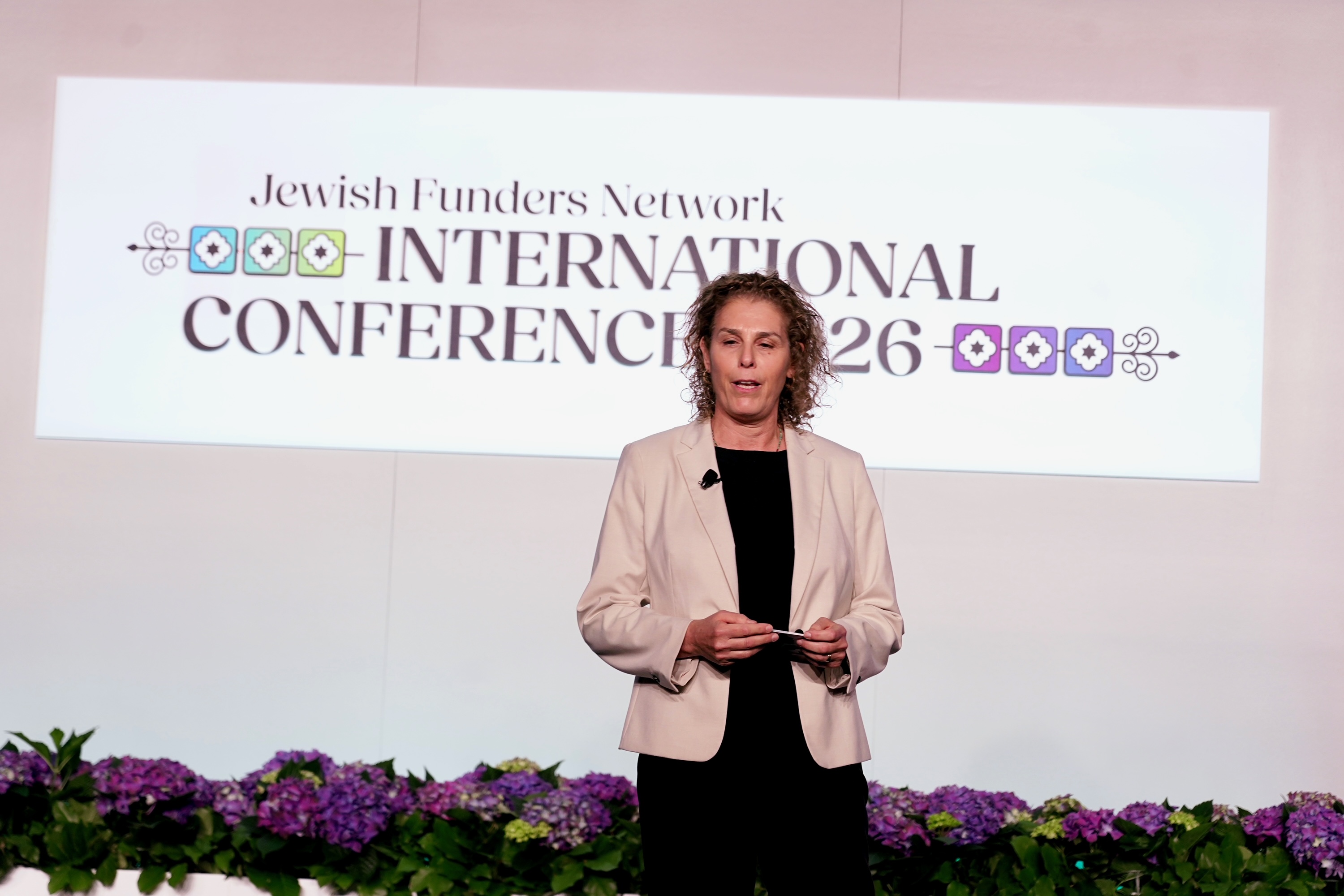
That sense of responsibility carried into a deeper look at the realities facing Israeli society today. In her plenary remarks, JFN Israel Executive Director Sigal Yaniv Feller focused on the profound impact of the war on Israel’s young adult generation, many of whom were called up for extended reserve duty while putting their studies, careers, and family life on hold. She shared new survey data of Israelis aged 22–35 from a study initiated by the Edmond de Rothschild Foundation, a leading philanthropic force in this field, describing a generation living with widespread trauma and disruption. Yet from this she emphasized an emerging determination. Even as confidence in state institutions has weakened, young Israelis are showing a strong sense of responsibility for the country’s future and a growing commitment to civic engagement and rebuilding. She framed this generation as central to Israel’s recovery and renewal, introducing the Generation of Lions, young leaders who would share how the war has reshaped their lives and their sense of mission.
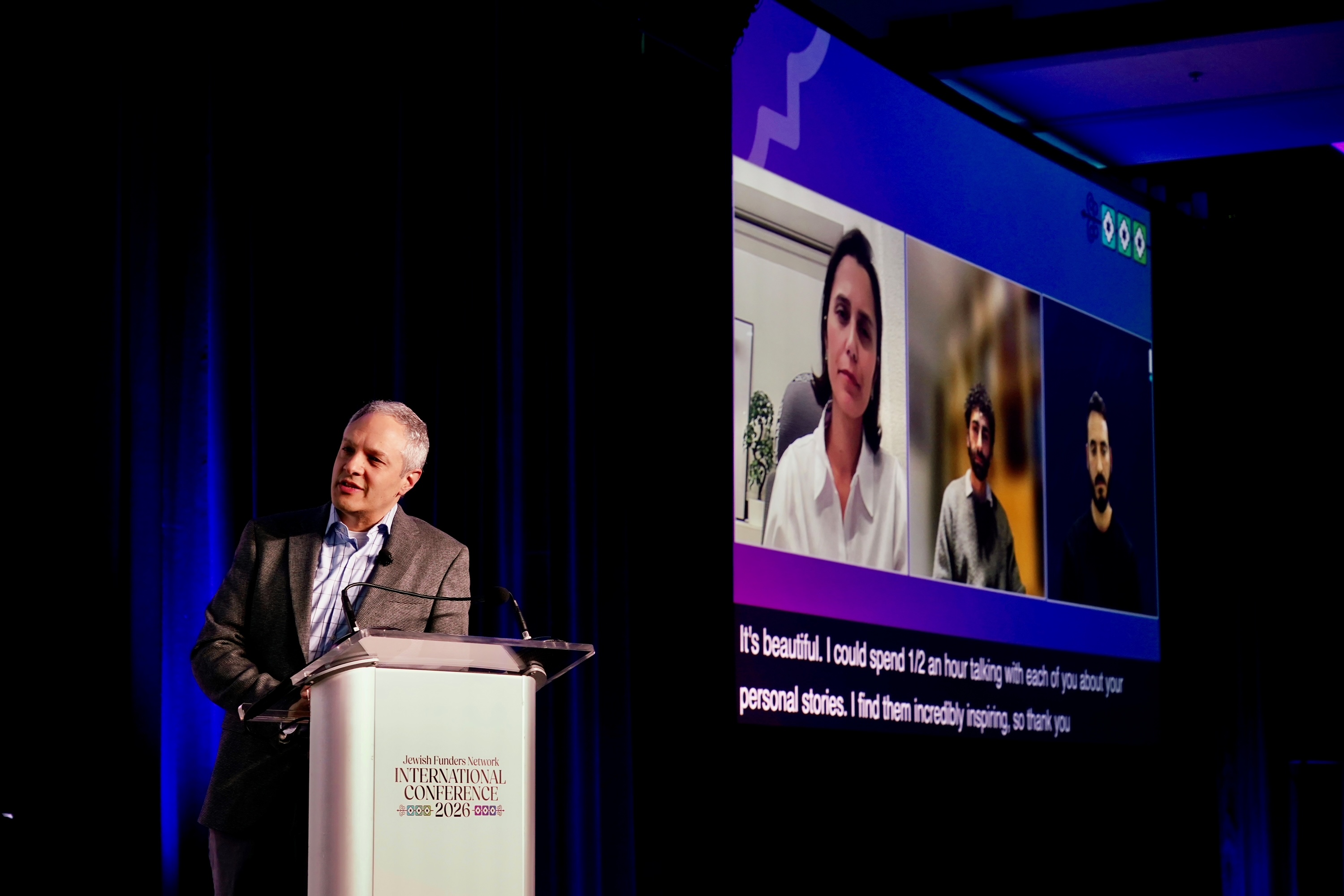
Those leaders then joined the conversation directly, offering a window into the human experience behind the data. Speaking via Zoom because the war with Iran prevented them from traveling, these leaders shared deeply personal stories of October 7 and the sense of responsibility that followed. Miriam Amedi described how her husband's severe injury in combat led her to transform her private ordeal into public advocacy, helping build a national movement supporting reservists’ families. Maor Tsabari reflected on years of work helping Israelis recover from trauma, arguing that national survival depends not only on military strength but on rebuilding social and moral resilience. Yonatan Shamriz recounted surviving the attack in Kibbutz Kfar Aza, losing his brother who was taken hostage and later killed, and channeling that tragedy into efforts to cultivate new Israeli leadership. All three communicated that October 7 was a moment of painful clarity that awakened civic responsibility across Israeli society. They urged attendees to focus on investing in people and leadership as long-term foundations of a stronger, more resilient Israel.
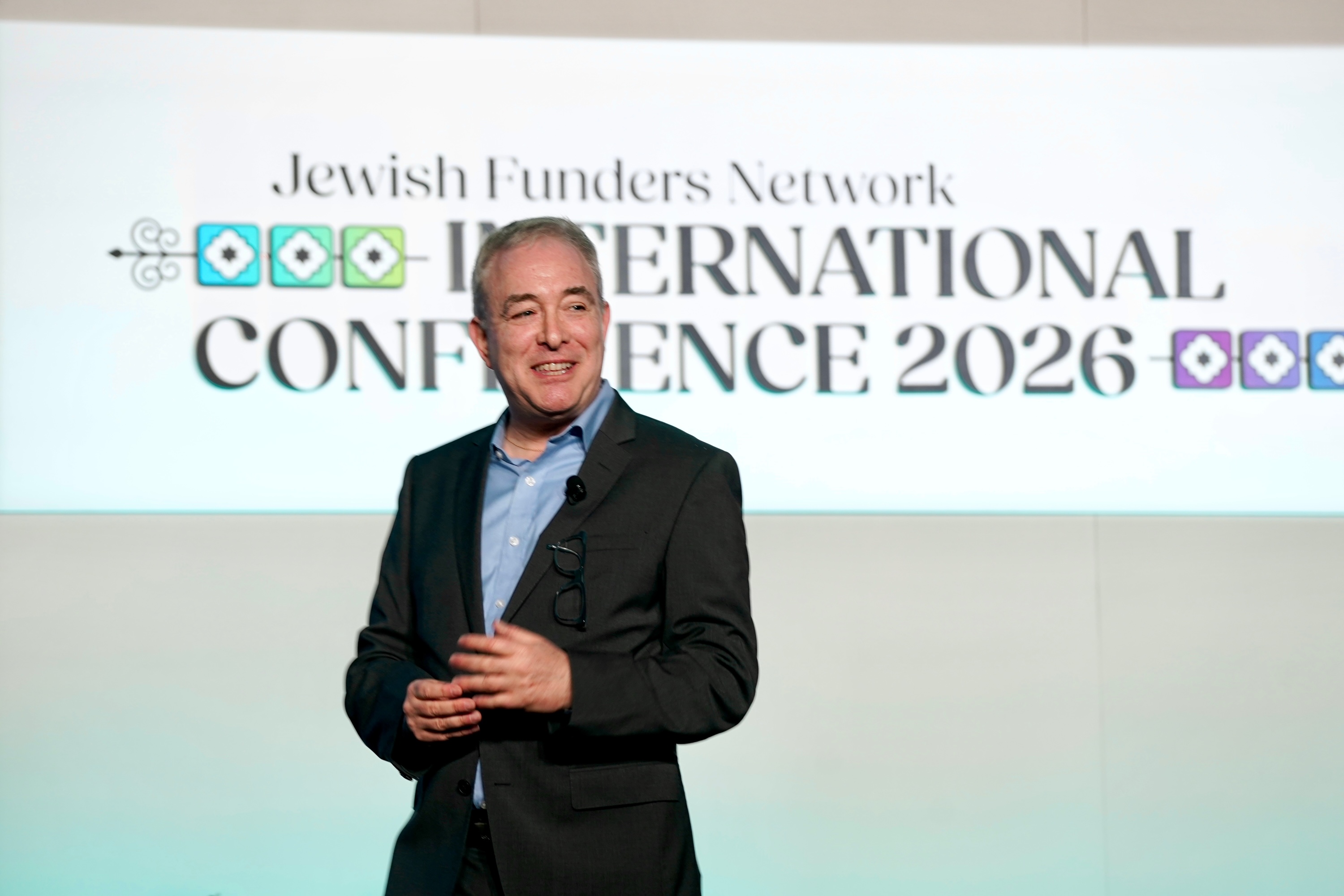
In his annual address, JFN President and CEO Andrés Spokoiny reflected on this moment of upheaval facing the Jewish world and urged the philanthropic community to see it as a rare window for meaningful change. He drew on the ideas of social psychologist Kurt Lewin and economist Albert Hirschman to argue that periods of shaken assumptions create brief opportunities to reshape systems before a new equilibrium sets in. He called on funders to respond with urgency and imagination by investing in areas where transformation is possible, including:
He closed by announcing that the Genesis Prize Foundation and JFN's are launching a $1 million matching grant program in honor of 2026 Genesis Prize Laureate Gal Gadot to strengthen Israeli nonprofits and NGOs whose work supports helpers and frontline professionals..
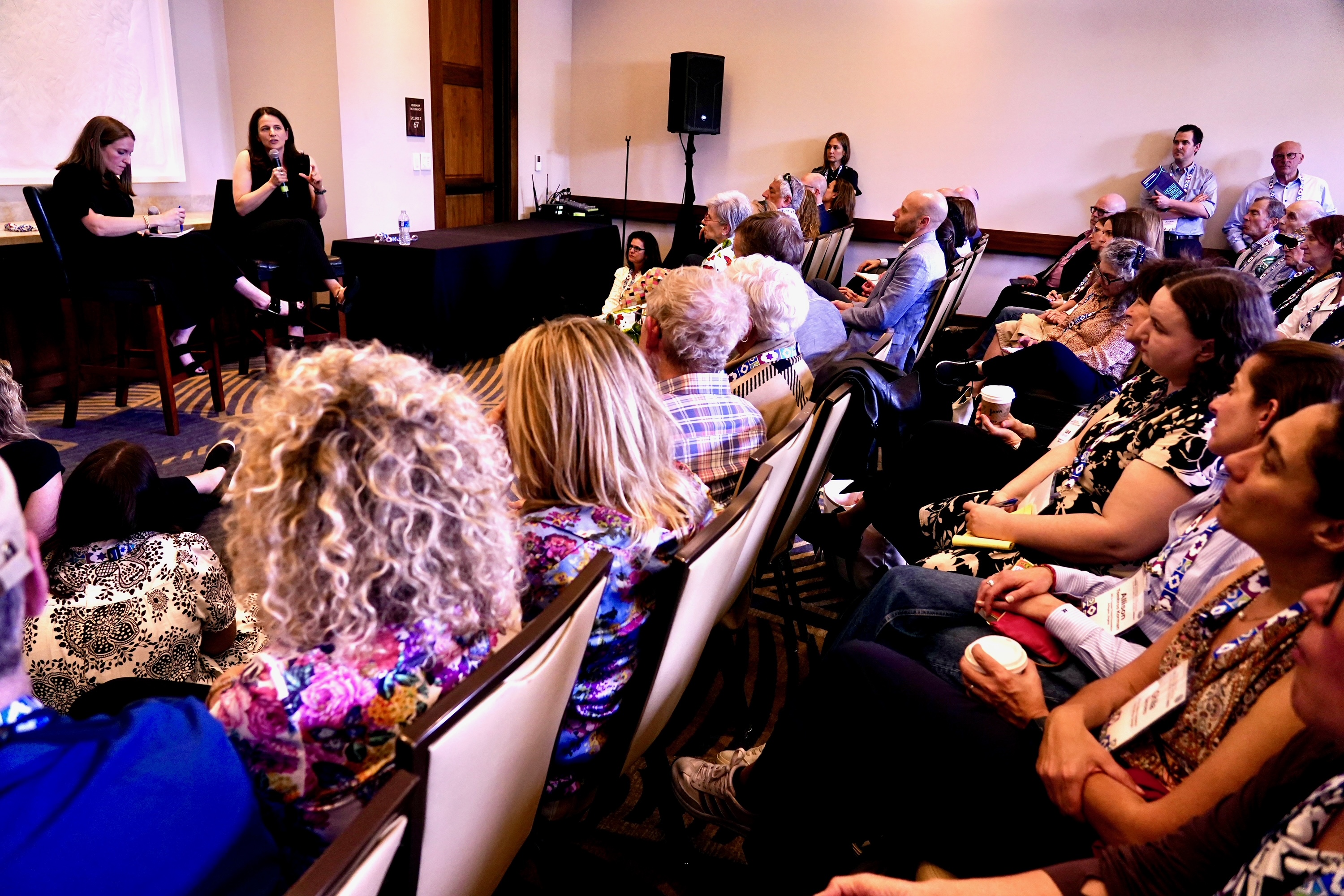
The afternoon workshops dug into some of the hardest questions facing the field right now, including a closer look at how antisemitism is spreading in digital spaces and what that means for philanthropy. The conversations then opened up into broader territory, with participants wrestling with how leadership is shifting and what Israeli society looks like as it continues to change. In a candid off-the-record conversation, Sarah Hurwitz reflected on Jewish identity, power, and resilience. The day wrapped up over shared meals and informal gatherings, and then people stuck around, talking into the evening over drinks, desserts, and time to just connect. Stay tuned as we share more from the conference. |
 Print Page