| Thank You for an Extraordinary Conference |
|
Read our Day One and Day Two recaps. Whether you joined us in San Diego or are following along from afar, thank you for being part of this community. On the final day of the conference, the focus turned to how we understand and tell our collective story, and how it shapes what comes next. The morning of our final day opened with a range of hosted breakfasts tackling issues from online antisemitism and campus readiness to Israel’s social challenges and the shifting geopolitical landscape.
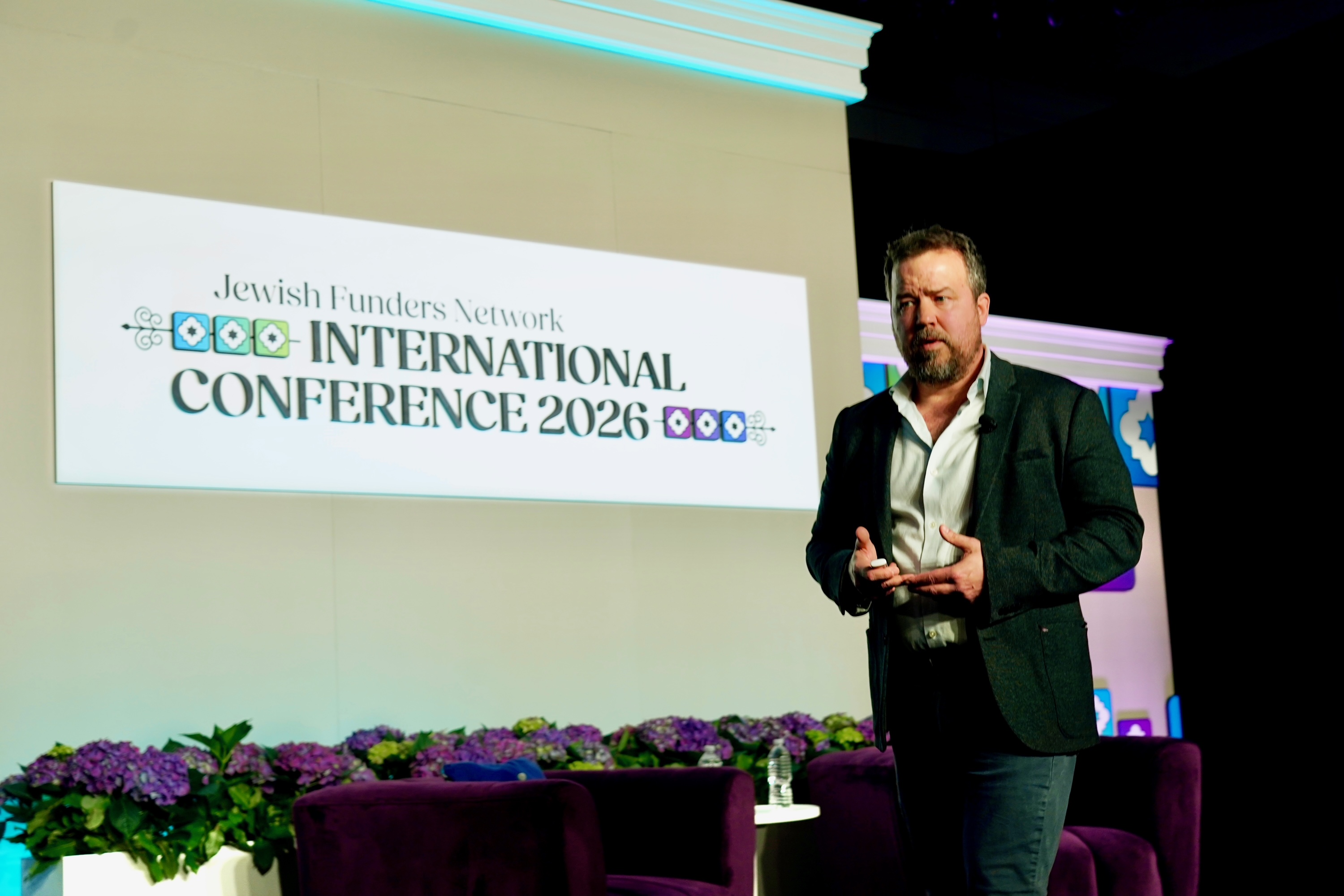
Jonathan Gottschall, literary scholar exploring the science and power of storytelling, examined how the stories we tell shape our identities as well as our conflicts. He challenged the audience to approach their own narratives with greater skepticism, arguing that division is not simply a matter of “us versus them,” but a shared human tendency to become swept up in what we believe. At the same time, he pointed to the enduring strength of the Jewish people as a testament to the power of shared narrative, suggesting that collective stories can sustain resilience across generations. He urged funders to hold fast to shared values and identity, framing storytelling as both a risk and a resource in shaping what comes next.
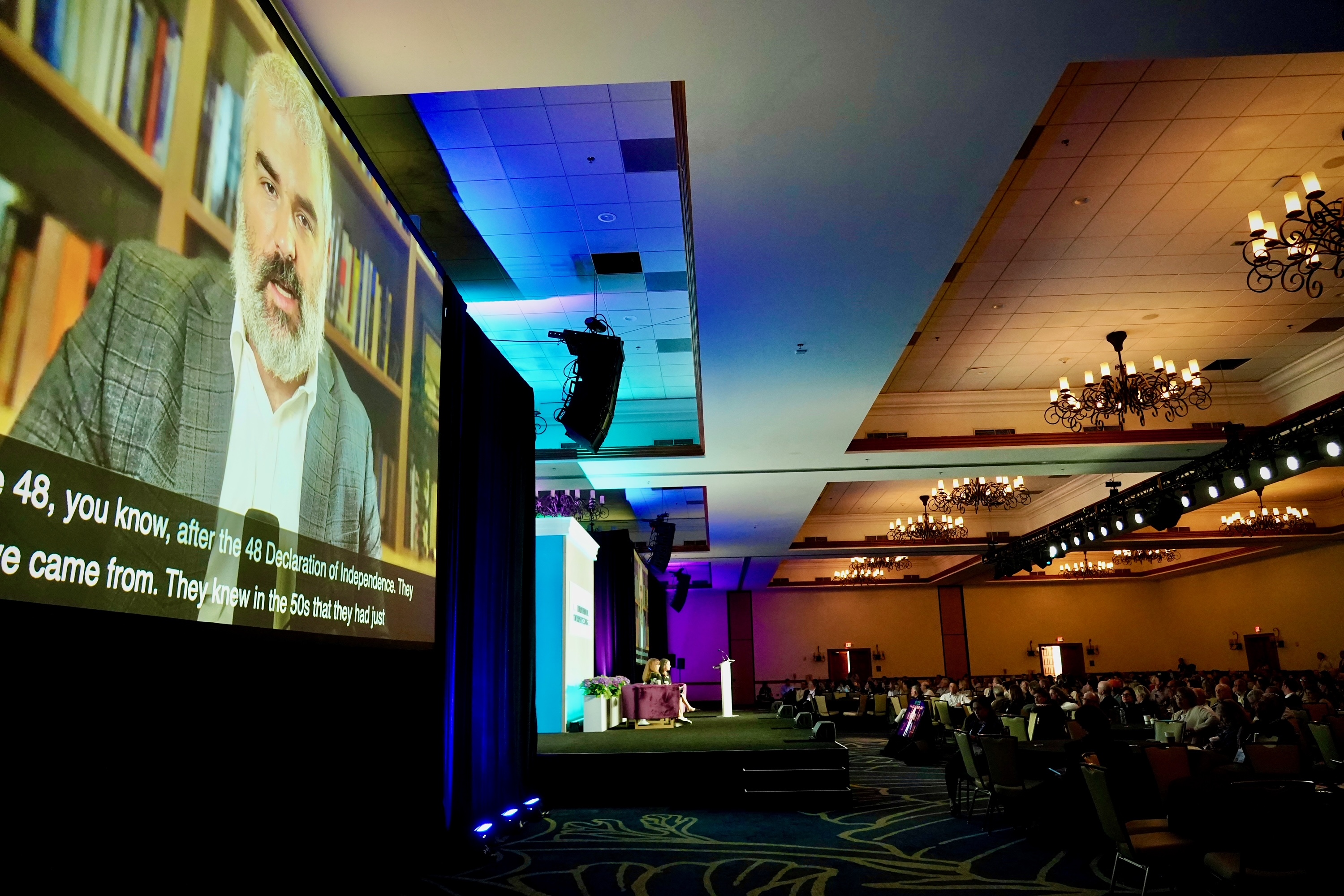
Sarah Hurwitz and Haviv Rettig Gur, joining remotely due to travel restrictions caused by the war with Iran, explored how the core narratives shaping Jewish identity in America and Israel are shifting and, in some cases breaking down. Hurwitz traced the long-standing American Jewish story of security, acceptance, and upward progress, arguing that rising antisemitism, changing alliances, and the fragmentation of information ecosystems have exposed its limits. Rettig Gur offered a complementary perspective from Israel, describing a rediscovery of Zionism’s underlying “survival story” and a growing recognition of the resilience embedded in Jewish history.
Together, they pointed to a widening gap between lived Jewish experience and the stories being told, particularly among younger generations. Both emphasized that the path forward depends on reclaiming and teaching a deeper, more complex understanding of Jewish identity and history. The conversation ultimately underscored that education is an essential priority for rebuilding a narrative strong enough to sustain Jewish life in an increasingly uncertain world.
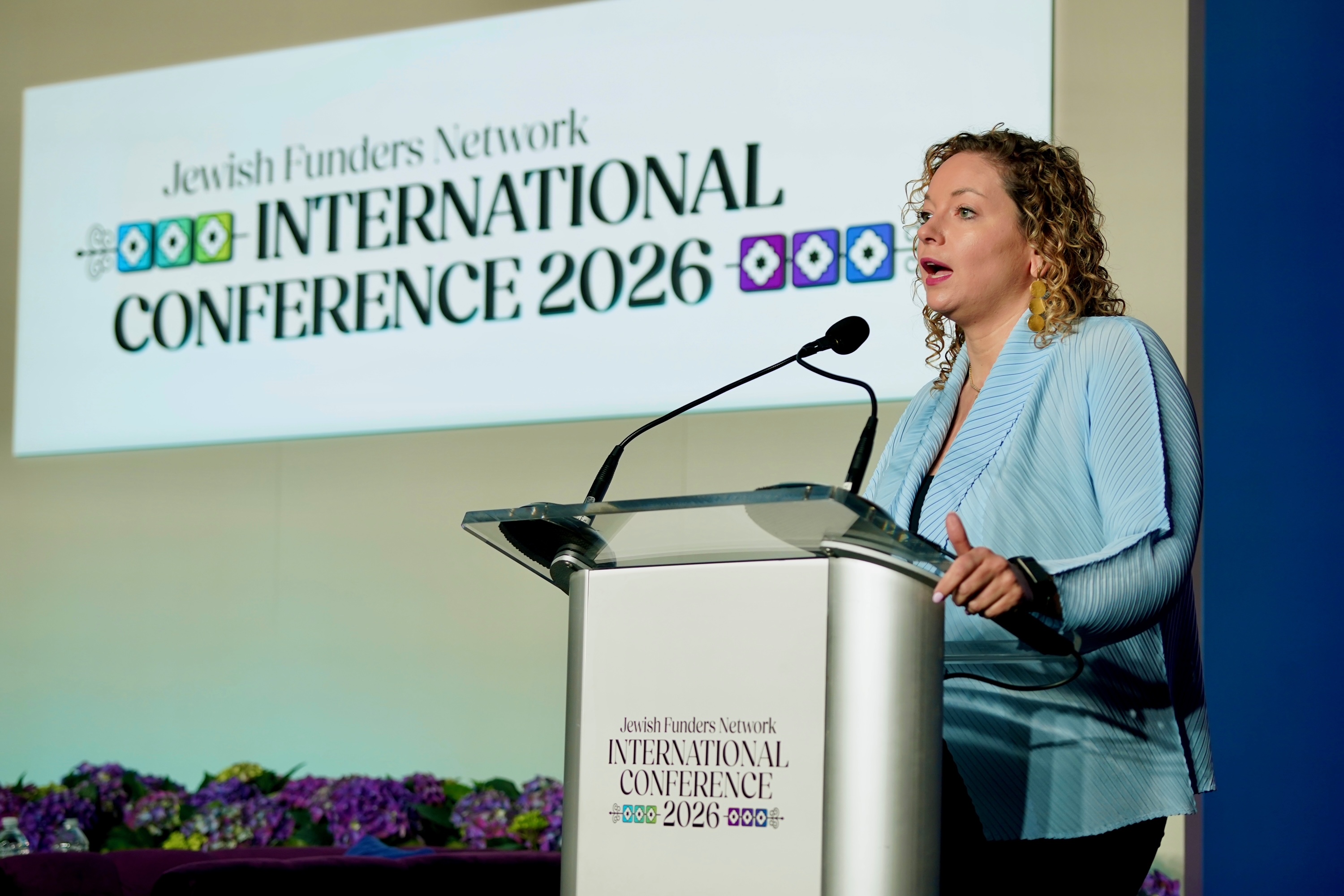
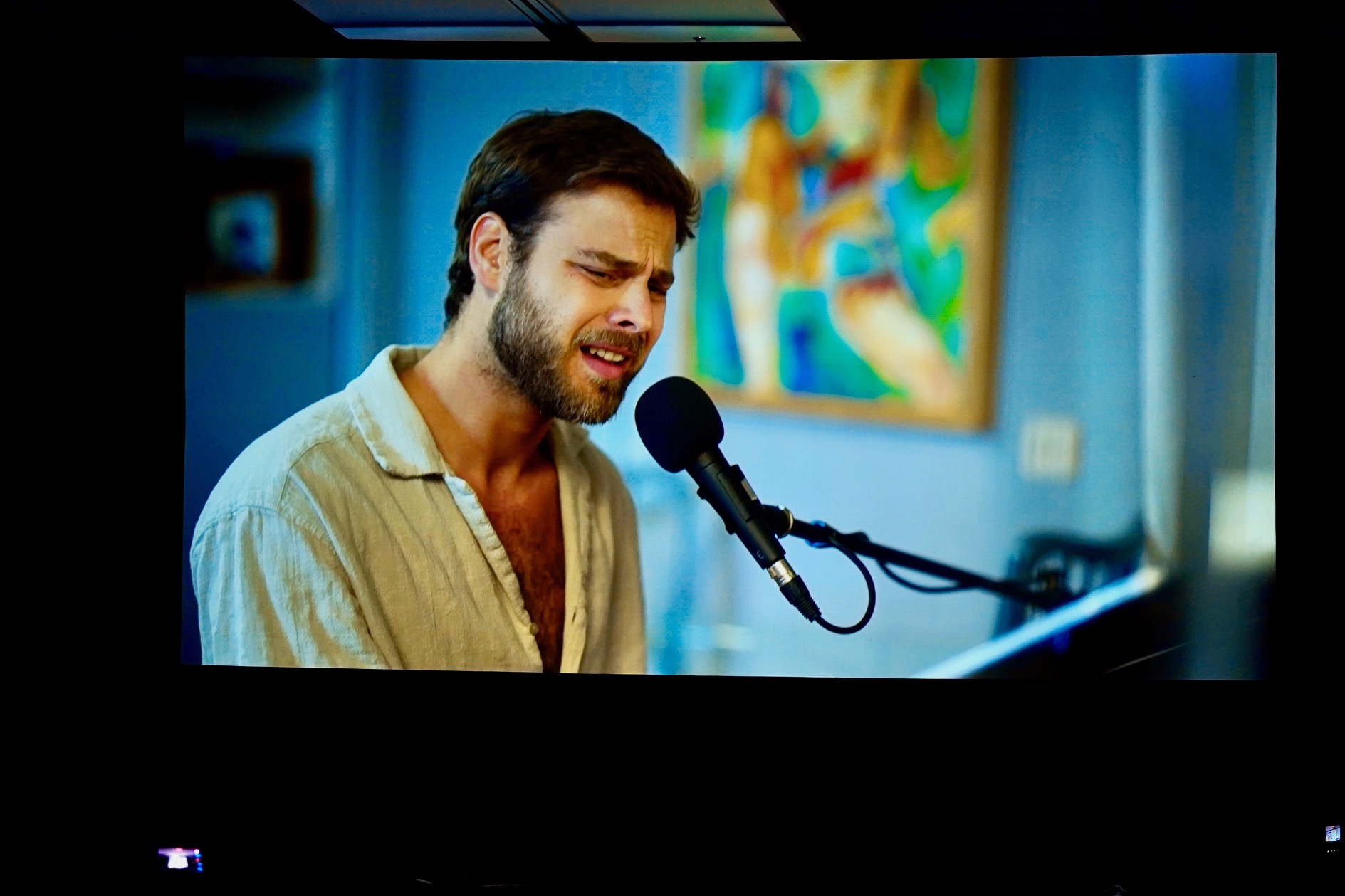
Carly Maisel, Global CEO of Kirsch Family Philanthropies, delivered a deeply personal reflection on her decision to make aliyah after October 7, describing life in Israel as both a privilege and a responsibility shaped by crisis and resilience. She emphasized the urgency and meaning embedded in everyday life and highlighted a generation carrying profound trauma while remaining defined by strength and determination. Her message called on funders to engage with greater closeness and responsibility to the people at the heart of the story. Maisel then introduced a pre-recorded video in which she interviewed Alon Ohel, who had been scheduled to attend but was unable to do so because of the ongoing war, from his home in Israel. A brilliant pianist who was kidnapped on October 7 and held captive in Gaza for 738 days, Ohel offered a firsthand account of endurance under unimaginable conditions. Reflecting on the moments and relationships that sustained him, he spoke to the quiet strength and resilience that carried him through, as well as the lasting impact of trauma.
His story brought the human reality of the crisis into sharp focus, reminding us that behind every headline are individuals whose lives have been profoundly altered, and whose determination to move forward continues to shape Israel’s future. He bookended the interview with a pair of beautiful song performances, which we look forward to sharing with you. Later, workshops translated these themes into practical priorities for funders. Attendees engaged with challenges facing Jewish voices in cultural spaces, evolving strategies for long-term recovery in Israel, the growing impact of disinformation and antisemitism in digital arenas, and emerging opportunities around AI tools. A post-conference working session on Jewish day schools brought funders into direct conversation around issues like affordability, enrollment, and educational quality, with an emphasis on identifying opportunities for collaboration.
As the conference came to a close, we were proud to share that next year, the JFN International Conference will take place in Israel. At a time when the country continues to face the realities of war, we hold onto the hope that the year ahead will bring greater peace and stability, allowing us to gather there together in strength.
Stay tuned as we share more in the coming days, including photos and videos from the conference. |
 Print Page